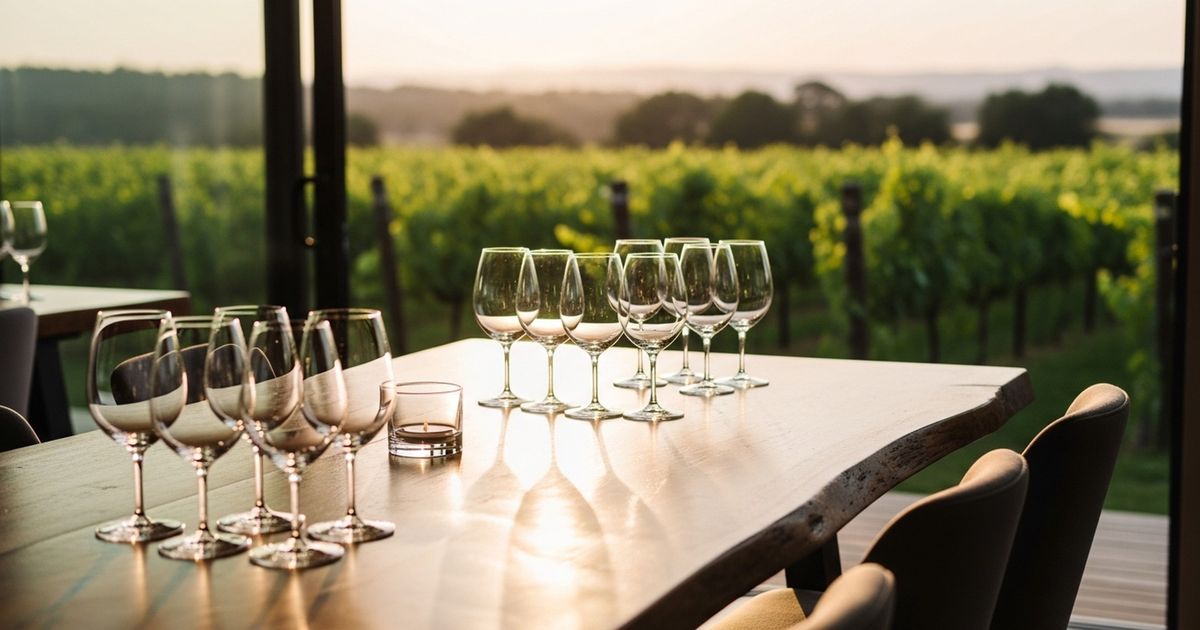
Search is the starting point for many wine visits and purchases. This guide on SEO for wineries explains how organic search drives tasting-room traffic, wine-club signups, and direct-to-consumer (DTC) sales — and gives a clear checklist to act on in the first 90 days. Readers will get practical tactics for local SEO, a technical audit checklist, content ideas (tasting notes, varietal guides, event pages), and a workflow to scale content production with automation.
TL;DR:
-
Organic search can be the top driver of tasting-room visits and DTC orders; prioritize Google Business Profile, local schema, and 5 pillar/cluster pages in month one.
-
Fix mobile performance and indexation issues first (aim for Core Web Vitals targets and correct canonical tags), then publish 10+ cluster pages using topic clusters to boost internal linking.
-
Scale content production with automation for keyword research, clustering, batch article drafts, and CMS publishing — SEOTakeoff supports these features and plans start at $69/mo.
Why SEO matters for wineries
Search is often how visitors discover a tasting room or decide which bottle to buy. The Wine Institute's market reports show consumers increasingly research wine online before purchasing or planning winery visits; searches spike around harvest and holidays, and interest in wine tourism is seasonal. Organic traffic converts into real business actions: booking a tasting, requesting directions, joining a wine club, or placing a DTC order.
Key conversion events for wineries
-
Book a tasting or tour: reservation form or third-party booking link
-
Request directions or call: driving directions and phone clicks
-
Join the wine club: subscription signups and recurring charges
-
Buy online: product pages and checkout completions
-
Make an inquiry for events: weddings, corporate tastings, private events
Some useful figures to keep in mind: local searches commonly lead to immediate actions (calls, directions) within a day, and wine-club customers typically have higher lifetime values than single purchasers, often ranging from several hundred to a few thousand dollars depending on shipping frequency and price points. Regional production and market context from the USDA and Wine Institute help set realistic targets for traffic and conversion volumes; see the USDA for production statistics and Wine Institute for market trends to benchmark expectations. (See: USDA national agricultural statistics service, Wine Institute — market data & statistics.)
Why that matters: a well-optimized site turns casual searchers into on-site visitors and recurring customers. For small marketing teams, focusing on organic visibility is cost-efficient compared with constant paid ads — and it compounds: more indexed pages mean more entry points for booking and DTC revenue.
Understanding search intent and seasonal trends for wine buyers
Search intent falls into three clear buckets for wineries: informational, transactional, and navigational. Match content to intent to increase conversion rates.
Types of intent with query examples
-
Informational: "best zinfandel Napa" → article: varietal guide or tasting notes
-
Transactional: "book vineyard tour napa" → page: tour booking with dates and pricing
-
Navigational: "Quail Ridge winery hours" → page: contact/hours or Google Business Profile
Seasonality matters. Searches rise during harvest (late summer–fall), holidays (November–December), and wedding seasons. Use Google Search Console and Google Trends to confirm local peaks; Wine Institute resources help validate national patterns. See Wine Institute for consumer seasonality and market context: Wine Institute — market data & statistics.
Mapping Keywords to Buyer Journeys
Swipe sideways to compare all columns →
| Keyword example | Intent | Content format | CTA |
|---|---|---|---|
| "what is malolactic fermentation" | Informational | Long-form guide (1,500–2,500 words) | Newsletter signup, related tour link |
| "book tasting napa valley" | Transactional | Reservation landing page (300–600 words) | Book now button |
| "winery near me with live music" | Local/Transactional | Event page + GBP event post | RSVP or get directions |
Tools and signals
-
Use Search Console for query volume and SERP performance.
-
Use Google Trends for seasonal spikes and regional interest.
-
Use keyword tools (Ahrefs, SEMrush, or the SEOTakeoff topic cluster generator) to group queries by intent.
Map clusters to monetizable pages: wedding venues and corporate events should map to dedicated event pages with pricing or inquiry forms; varietal guides funnel to product pages and wine-club offers.
Technical SEO checklist for winery websites
A prioritized, practical checklist keeps the site crawlable and fast — both essential for local hospitality searches.
Performance and Core Web Vitals
-
Mobile-first: Ensure responsive layout and touch-friendly buttons for booking.
-
LCP: Aim for Largest Contentful Paint under 2.5s on mobile; optimize hero images and server response time.
-
CLS: Keep layout shifts low (<0.1) by reserving image and ad dimensions.
-
Image optimization: Serve next-gen formats (WebP/AVIF), lazy-load offscreen images, and use responsive srcset.
-
Caching/CDN: Use browser caching and a CDN to reduce load times for remote visitors.
Structured data to implement
-
LocalBusiness: mark tasting room address, hours, price range, and contact.
-
Product: annotate bottle pages with SKU, price, and availability.
-
Event: use Event schema for tastings, harvest festivals, and concerts.
-
FAQ: for common questions about tastings, tours, and shipping.
-
AggregateRating: show verified ratings for products or tours.
Reference schema vocabulary and examples at Schema.org: Schema.org: LocalBusiness / Product / Event vocab.
Indexing, Canonicalization, and Crawl Budget
-
Canonicals: Implement self-referential canonical tags and set canonical for near-duplicate pages (e.g., same wine across vintages).
-
Faceted navigation: Block low-value parameterized URLs with robots.txt or noindex, or implement canonical rules to avoid index bloat.
-
Sitemaps: Keep XML sitemaps updated and submit to Google Search Console.
-
Crawl diagnostics: Use Search Console coverage report to spot indexing issues and follow Google Search Central recommendations: Google search central - SEO starter guide.
Common winery site pitfalls and fixes
-
Duplicate product pages for each vintage without unique content → add unique tasting notes, technical specs, or merge into a single product with variant schema.
-
Heavy unoptimized images causing slow LCP → compress images, use responsive sizes.
-
Booking system pages blocked from crawling → ensure critical pages are indexable and include crawlable summary content for search visibility.
Local SEO & Google Business Profile for tasting rooms
A properly configured Google Business Profile (GBP) often controls the local pack listing that drives visits and calls.
Optimizing GBP
-
Choose accurate categories: primary = "Winery" or "Winery & Vineyard".
-
Fill core attributes: hours, reservation links, phone, and price range.
-
Use booking attributes and add a reservation link if the booking tool supports it.
-
Add regular Photos and Event posts for seasonal offerings.
Managing Reviews, Photos, and Q&A
-
Encourage verified reviews by emailing recent visitors a short review request with a direct link to the GBP review form.
-
Respond to reviews within 48–72 hours; use templates that acknowledge the feedback and invite them back.
-
Prompt guests to upload photos from tastings; UGC images improve credibility and click-throughs.
Review response templates (short)
-
Positive review: "Thank you for visiting [Winery Name]. We're glad you enjoyed the tasting — hope to see you again soon!"
-
Negative review: "We're sorry your visit missed the mark. Please email [support@domain] so we can follow up and make it right."
Local citations and directories
-
List the winery in state tourism pages, regional wine directories, and niche platforms.
-
Ensure NAP (name, address, phone) consistency across listings.
-
Recommended resources for local SEO tactics: Moz local SEO guide.
Service-area considerations
-
If shipping to multiple states, clarify which services are available per state and mark service-area pages appropriately.
-
For tasting-room only businesses, emphasize local landing pages and directions.
Event markup and GBP posts
- Use Event schema on event pages and push short GBP posts announcing new events or harvest weekends to boost visibility during seasonal peaks.
Content strategy: tasting notes, wine guides, and tour pages
High-quality content attracts searchers at every stage, from education to purchase. Prioritize pages that map to high-intent queries and convert well.
High-value Content Types
-
Varietal guides: 1,500–2,500 words exploring grape characteristics, regions, and food pairings.
-
Tasting notes: concise, unique notes per vintage (200–600 words) focused on aroma, palate, and aging potential.
-
Tour and event pages: 300–800 words with schedules, pricing, and booking CTAs.
-
Wine-club landing page: 400–1,000 words outlining tiers, benefits, and signup flow.
-
Gift and corporate sales: dedicated pages with order minimums and fulfillment timelines.
Content-to-intent table | Intent | Content format | Approx word count | |—|—:|—:| | Informational (varietal guides) | Long-form guide | 1,500–2,500 | | Transactional (booking) | Landing page with form | 300–600 | | Product detail | Product page with specs | 400–800 | | Local events | Event page + schema | 300–600 |
Keyword research and topic clusters
-
Group keywords by seed topic (e.g., "Napa Cabernet") and create a pillar page with cluster pages for vintages, pairings, local tasting spots, and tour logistics.
-
Topic clusters improve internal linking relevance and help search engines understand topical authority. SEOTakeoff automates topic clustering and keyword-targeted article generation to produce interlinked pillar and cluster pages quickly.
AI and content drafting
- AI can speed drafts for tasting notes and guides, but human review is required for brand voice and technical accuracy. For guidance on whether AI-generated content can rank, see the SEOTakeoff writeup on can AI-generated content rank on Google and the AI SEO primer for workflow ideas.
Practical video walkthrough
- The following case study demonstrates structuring tasting-note pages, optimizing local listings, and tracking results. Viewers will learn specific on-page layouts and measurement tactics:
Content briefs: example
- Varietal guide brief: target keyword "Napa Valley Cabernet guide"; headers: varietal overview, terroir and appellations, tasting profile, food pairings, recommended vintages, club offers; internal links to product pages and tour pages; CTA = join wine club or book tasting.
Sources for technical wine content
- For accurate tasting-note descriptors and viticulture facts, cite trusted horticulture and enology resources such as Cornell's Grape and Wine Institute: Cornell Grape and Wine Institute resources.
Site architecture: pillar pages, topic clusters, and internal linking
A clear architecture helps users and search engines find the right pages quickly.
Example Cluster for a Boutique Winery
-
Pillar: "Guide to Napa Valley Cabernet"
-
Cluster pages:
- "Cabernet vintages 2016–2020: tasting notes"
- "Where to taste Cabernet in Napa"
- "Food pairings for Cabernet Sauvignon"
- "Booking a Cabernet tasting: what to expect"
Internal Link Best Practices and Anchors
-
Use descriptive anchors (e.g., "Cabernet tasting notes") rather than exact-match keyword stuffing.
-
Link from pillar to cluster and cluster back to pillar; include contextual links from product pages to relevant guides.
-
Limit links per page to maintain user focus and avoid diluting relevance.
Product pages vs collection/pillar pages
-
Use product pages for bottle-specific details and purchase actions (SKU, price, tasting notes).
-
Use collection or pillar pages for broader, discoverable content that answers higher-level queries and funnels to product pages.
-
For seasonal or repeated content (e.g., annual harvest events), use unique landing pages with Event schema rather than reusing one generic events page.
Scaling internal linking
- Manual internal-link planning works well for small catalogs, but when handling many vintages, regions, or event pages, an automated internal linking engine saves time and ensures consistent anchor strategies. For a comparison of programmatic and manual approaches, see programmatic vs manual and the practical primer on programmatic SEO basics.
Scaling and quick wins: automation vs manual workflows
Key points — immediate actions you can take
-
Fix GBP hours, phone, and reservation links to capture local traffic.
-
Add Event schema for upcoming tastings and harvest weekends.
-
Publish five varietal guides that target high-search-intent queries.
-
Optimize product pages with Product schema and unique tasting notes.
-
Compress hero images and serve WebP to improve mobile LCP.
-
Remove or noindex low-value faceted navigation pages.
-
Set up topic clusters and publish 10 cluster pages in the next 60 days.
-
Implement an automation pipeline for keyword research, drafts, and publishing.
Which tasks to automate and which to keep human
-
Automate: keyword discovery, clustering, meta tag templates, draft generation, batch publishing to CMS.
-
Keep human: brand voice editing, tasting-note accuracy, legal or regulatory claims, final QA for event details and pricing.
Publishing Workflow: From Keyword to Live Page
-
Keyword discovery and clustering (automated).
-
Template-driven brief generation with target keywords and schema fields (automated).
-
Draft generation and human edit for tone and accuracy (hybrid).
-
Add structured data and event markup (automated fields, human review).
-
Internal linking and publish to CMS (automated publishing to WordPress or other CMS).
-
Monitor performance and iterate (human + analytics).
Comparison: manual process vs automated pipeline | Aspect | Manual content creation | Automated pipeline (tool-assisted) | |—|—:|—| | Time per article | 8–20 hours | 1–3 hours (human edit + publish) | | Typical cost per article | $300–$1,000 | $50–$300 (platform + editor) | | Throughput per month | 4–8 articles | 20–50+ articles | | Internal linking | Manual, inconsistent | Automated, consistent anchor rules | | Schema & metadata | Manual entry | Template-driven with fields | | Best for | Highly bespoke brand stories | Scaling varietal guides, vintages, events |
SEOTakeoff supports automated topic clustering, keyword-targeted article generation, internal linking, site audit, and WordPress/CMS publishing to accelerate this pipeline. Pricing for early access users starts at $69/mo. That said, automation reduces cost and time but requires editorial oversight for brand voice and accuracy — particularly for tasting notes and claims about appellations or vintage quality. For an implementation blueprint, see SEOTakeoff posts on automated publishing and the SEO publishing workflow. For realistic expectations about automation trade-offs, consult SEO on autopilot myths.
The Bottom Line
Start by fixing technical and local SEO issues, then publish pillar content and clusters that map to buyer intent; after that, scale content production with an automated pipeline while keeping human editors for voice and accuracy. A focused 90-day plan that balances fixes, GBP optimization, and cluster publishing will drive measurable increases in sessions and bookings.
Priorities for the First 90 Days
-
0–30 days: Claim and optimize Google Business Profile, fix critical Core Web Vitals (LCP/CLS), and correct canonical/index issues.
-
30–60 days: Publish pillar pages and 5–10 cluster pages (varietal guides, event pages), implement Product and Event schema.
-
60–90 days: Launch automated drafting for seasonal cluster pages, set up internal linking rules, and A/B test CTAs on booking pages.
Six KPIs to track
-
Organic sessions and organic impressions
-
Local pack impressions and GBP actions (calls, directions)
-
Booking conversions (form submits, reservation clicks)
-
Wine-club signups
-
DTC revenue from organic channels
-
Number of pages indexed and crawl errors fixed
Video: Ubersuggest Tutorial for SEO Keyword Research
For a visual walkthrough of these concepts, check out this helpful video:
Frequently Asked Questions
How long does it take to see SEO results for a winery?
Expect measurable improvements in local visibility within 4–8 weeks after fixing GBP details and addressing mobile performance. For organic rankings on competitive keywords (varietal guides, region authority), allow 3–6 months for meaningful gains if you publish consistent pillar and cluster content. Results depend on baseline domain authority, content volume, and the competitiveness of your market.
Should wineries focus on local or national SEO?
Local SEO should be the priority for tasting-room traffic and event bookings: accurate Google Business Profile, local schema, and citation consistency drive immediate actions. National or DTC SEO (product pages, shipping) is important if you ship widely; balance both by using local landing pages plus product pages optimized for broader purchase intent.
Can AI write tasting notes and still sound authentic?
AI can draft tasting notes quickly, but human review is necessary to ensure sensory accuracy, brand voice, and legal compliance. Use AI to draft initial copy and then have a sommelier or editor refine descriptors, aromatics, and cellar guidance before publishing.
Which schema types are essential for winery sites?
Implement LocalBusiness for tasting rooms, Product for bottle pages, Event for tastings and festivals, FAQ for common visitor questions, and AggregateRating if you display verified reviews. Schema.org provides the vocabulary and examples: Schema.org: LocalBusiness / Product / Event vocab.
How can I track bookings that come from organic search?
Use UTM-tagged links for organic campaigns where possible, set up conversion goals in Google Analytics (or GA4) for booking form submissions, and track GBP actions in Google Business Profile insights. Combine server-side order data for DTC with analytics conversions to attribute revenue to organic channels accurately.